

Last Updated: July 14, 2026
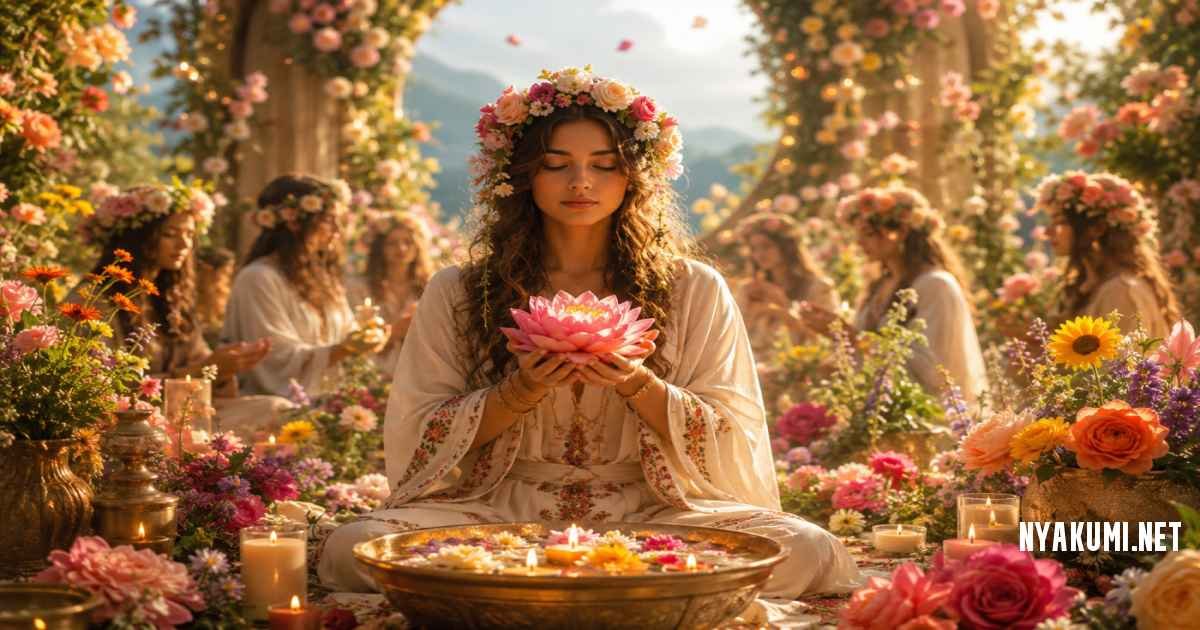
If you’ve searched for “Fleurism” in 2026, you’ve probably noticed that the term has multiple meanings. Depending on the context, Fleurism can refer to an ancient flower-centered religion in Minecraft roleplay lore, a philosophy inspired by the French concept of blooming and flourishing, the Victorian language of flowers (floriography), or even modern social media trends focused on botanical aesthetics, self-growth, and symbolism.
Interest in Fleurism has grown throughout 2026 as gaming communities, history enthusiasts, gardeners, artists, and wellness creators continue to explore flower symbolism from different perspectives. While there is no single universally accepted definition, the common thread connecting every interpretation is growth, beauty, renewal, and the symbolic power of flowers.
This complete guide explains the most popular meanings of Fleurism, its linguistic origins, religious interpretations, cultural symbolism, and why it has become an increasingly searched topic in 2026.
Fleurism as an Ancient Belief System: The Stoneworks MC Lore
One of the most detailed modern definitions of Fleurism comes from the Stoneworks MC Wiki, where it exists as an ancient religion within the Rathnir roleplay universe. According to the lore, Fleurism dates back to approximately 5000 BSS and revolves around a powerful pantheon of deities connected to nature, rebirth, time, and the heavens.
The religion experienced centuries of decline due to persecution, wars, and the collapse of kingdoms. However, Fleurism later experienced a resurgence following the founding of Sterron, where surviving nomadic Fleurists reunited and rebuilt their traditions.
One of Fleurism’s best-known rituals involves ringing sacred bells to communicate with Diaspria (also known as Disprai), the God of Space and Time. Followers also honor their ancestors by reciting the traditional phrase:
“The Bell tolls for thee — the bell tolls for me.”
The religion recognizes several major deities:
- Diaspria (Disprai): God of the past, future, heavens, and space-time.
- Pipsi: Goddess of rebirth and health, who delights in flourishing flower fields but is also said to unleash destructive laser eyes upon towns that disrespect nature.
- Tauraus: God of war and blood, honored through the creation of magnificent swords and exceptional craftsmanship.
Important Fleurist holy sites include the Buried Bells and the Humarblóm Stone Circle, while cities such as Lobopolis, Haetalia, Ragnarok, and Humarblóm remain important centers of worship.
In 2026, Fleurism continues gaining attention as Minecraft roleplay servers, storytellers, and worldbuilders expand the religion with new temples, lore, and community events.
The Linguistic Roots: From Fleurir to Flourish
Outside gaming, Fleurism is often associated with the French word fleur, meaning flower, and the verb fleurir, which means to bloom, flower, or flourish.
The word has a rich linguistic history:
- Derived from Middle French fleurir
- Earlier form: Old French florir
- Originating from Late Latin flōrīre
- Ultimately traced to Latin flōrēre, meaning “to flower” or “to be in bloom.”
The meaning extends far beyond plants. In modern French, fleurir commonly describes personal or professional success.
For example:
Cette entreprise fleurit grâce à ses innovations.
“This company is flourishing thanks to its innovations.”
Likewise:
Depuis qu’il a changé de travail, il fleurit.
“Since he changed jobs, he is flourishing.”
Historically, the concept also appears in the Scots language, where flourish or fleurise referred to blossoms, particularly those found on hawthorn and fruit trees. Literary expressions such as “The fleurise rains around thee” describe blossoms gently falling from trees.
Viewed through this linguistic lens, Fleurism represents far more than flowers—it symbolizes growth, resilience, creativity, renewal, and thriving in every aspect of life.
Fleurism, Floriography & the Fleur-de-Lis: The Symbolism of Flowers
Another major influence on modern Fleurism is floriography, the famous Victorian language of flowers. During the nineteenth century, flowers became a secret method of communication, allowing people to express emotions without speaking openly.
Floriography became especially popular in France, before spreading to Victorian England and North America between 1820 and 1880. Its origins are often linked to Ottoman harems, where flowers were reportedly used to communicate hidden messages.
Every flower carried a unique meaning:
| Flower | Traditional Meaning |
|---|---|
| Pansy | Thinking of you |
| Bluebell | Constancy and loyalty |
| Rose | “See you at 1 o’clock” |
| Heliotrope | “See you at 2 o’clock” |
Small floral bouquets known as Tussie-Mussies became fashionable accessories. Holding one upright symbolized affection and acceptance, while presenting it upside down signaled rejection.
Closely related is the Fleur-de-lis, the famous stylized lily associated with French royalty. Traditionally representing royalty, Christianity, virtue, light, defense, and French cultural heritage, the Fleur-de-lis remains one of the world’s most recognizable floral symbols. Today it appears on flags, sports logos, university crests, jewelry, and religious artwork.
Modern Fleurism frequently combines floriography and Fleur-de-lis symbolism, especially across Pinterest, Instagram, and TikTok, where flowers are used to express identity, emotion, weddings, tattoos, and personal branding.
Fleurism in Modern Culture: From Flower Boys to Flourishing Lifestyles
In 2026, Fleurism has evolved beyond religion and language into a broader lifestyle movement centered on beauty, growth, creativity, and botanical aesthetics.
One interpretation involves the term “Garçon de Fleur” or “Flower Boy.” According to Urban Dictionary, it describes men who comfortably embrace both masculinity and femininity, expressing themselves through fashion, flowers, creativity, and personal style. The term is often associated with LGBTQ+ communities and modern self-expression.
On social media, hashtags like #Fleurism increasingly represent a flourishing mindset. Rather than focusing solely on flowers, creators use the term to symbolize personal development, emotional healing, mindfulness, and becoming the best version of oneself.
Fleurism also influences interior design and decorative arts. The word fleur commonly refers to stylized floral motifs, inspiring:
- Fleur-de-lis jewelry
- Botanical wall art
- Vintage tapestries
- Floral home décor
- Gardening books
- Nature-inspired branding
This modern interpretation blends historical symbolism with Gen Z aesthetics, encouraging people to celebrate beauty, individuality, and personal growth without apology.
How to Practice Fleurism Today & Similar Terms You Should Know
You don’t need to belong to an organized religion to embrace the ideas behind Fleurism. Many people integrate its themes into everyday life through simple practices inspired by flowers, symbolism, and flourishing.
| Practice | What It Looks Like | Why It Fits Fleurism |
|---|---|---|
| Botanical rituals | Ring a bell before journaling or care for flowers and houseplants | Honors Diaspria and Pipsi from Fleurist lore |
| Floriography gifting | Give flowers with intentional meanings | Revives Victorian flower symbolism |
| Flourishing habits | Track personal growth, fitness, art, or career achievements | Reflects fleurir—to bloom and thrive |
| Symbolic décor | Display Fleur-de-lis art or Scots fleurise poetry | Connects history, beauty, and heritage |
It’s also helpful to understand several closely related terms:
| Term | Meaning | Relation to Fleurism |
|---|---|---|
| Floriography | Language of flowers | Cultural inspiration |
| Fleurir | French verb meaning “to bloom” | Linguistic root |
| Fleur-de-lis | Stylized lily symbol | Historic floral emblem |
| Fleurise | Scots word for blossom | Regional variation |
| Floraison | French noun meaning flowering | Blooming process |
Knowing these distinctions makes searching online much easier, especially when researching gaming lore, French language, history, or floral symbolism.
The Future of Fleurism in 2026 and Beyond
Fleurism continues evolving across multiple communities, and its future looks increasingly diverse. In gaming, Minecraft roleplay servers and RPG worldbuilders are expected to expand Fleurist mythology with new temples, quests, and locations inspired by places like the Humarblóm Stone Circle. Within wellness culture, Fleurism aligns perfectly with modern ideas of mental health, self-care, and personal growth, reinforcing messages such as “bloom where you’re planted.” Heritage movements are also reviving Victorian floriography, Scots fleurise poetry, and cottagecore aesthetics, while businesses increasingly adopt fleurir-inspired branding to communicate growth, authenticity, elegance, and creativity.
Ultimately, Fleurism isn’t limited to one definition. It can represent an ancient fictional religion, the French concept of flourishing, the timeless language of flowers, or a modern philosophy centered on growth and beauty. Whether you’re fascinated by Rathnir lore, French linguistics, flower symbolism, or botanical self-expression, Fleurism in 2026 is about embracing the power of blooming—in nature, culture, identity, and everyday life.